YouTube SEO in 2026 is less about keyword stuffing and more about satisfying viewer intent fast—and keeping them on platform. Music indirectly powers SEO by improving retention, session time, and replays. This checklist connects discoverability fundamentals with soundtrack decisions from FreeBeatHub.
What Changed in 2026
Search still matters, but suggested and browse features lean harder on satisfaction signals: click-through rate, average view duration, and whether viewers watch another video afterward. AI-generated spam triggered stricter quality filters—authentic expertise wins.
If you are unsure where to start, write headings people actually search for—what changed in 2026 should match queries, not internal jargon.
Connecting content to discoverability
Content marketers often skip what changed in 2026 until a claim or muted VOD forces a fix; handling it proactively takes less time than a reshoot.
Titles, Thumbnails & Packaging
Package one clear promise. Use primary keyword near the front without sounding robotic. Thumbnails must mirror title emotion; music in the first 30 seconds should confirm that promise—not fight it.
A/B testing in 2026
YouTube native thumbnail tests are table stakes. Pair winners with intro music that matches energy—see our background music guide.
Putting titles, thumbnails & packaging into practice
After applying titles, thumbnails & packaging, note one metric on your next upload—retention, saves, chat rate, or ad clearance—so content marketers can improve with data, not guesswork.
Descriptions, Tags & Chapters
Write descriptions for humans first: summary, timestamps, links. Tags still help disambiguation—include topic variants and tool names. Chapters need keyword-rich labels where natural.
One workflow that saves time: write headings people actually search for—descriptions, tags & chapters should match queries, not internal jargon.
Connecting content to discoverability
Retention & Session Time
Front-load value. Use pattern interrupts every 30–45 seconds in tutorials. Music swells can mark section changes without verbal signposting. End screens work better when audio does not crash to silence awkwardly.
Upload unlisted variants with two audio opens if the topic is high stakes. Compare swipe-through or first-second retention before going public.
Music Choices & Watch Time
Low-energy beds under high-energy titles increase bounce. Match genres using our mood framework. Royalty-free tracks prevent claims that limit distribution in some regions. Review license terms before series launches.
Lofi for deep dives
Lofi instrumentals support long watch sessions when narration leads. Avoid vocal-heavy beds that compete with teaching.
A useful rule of thumb: answer the full question in prose; structured data supports music choices & watch time but does not replace helpful paragraphs.
Connecting content to discoverability
Use descriptive H2 text, honest meta descriptions, and internal links to related guides on our blog. Thin pages with keyword stuffing hurt more than they help.
Content marketers often skip music choices & watch time until a claim or muted VOD forces a fix; handling it proactively takes less time than a reshoot.
Shorts vs Long-Form SEO
Shorts discover through swipe behavior; long-form through search and suggested. Reuse sonic branding across both for channel cohesion. Do not dump Shorts clips without contextual titles on the main feed.
Connecting content to discoverability
Search engines reward pages that answer a query completely. Shorts vs Long-Form SEO should map to headings people actually type—not internal jargon only your team uses.
Monthly SEO Audit
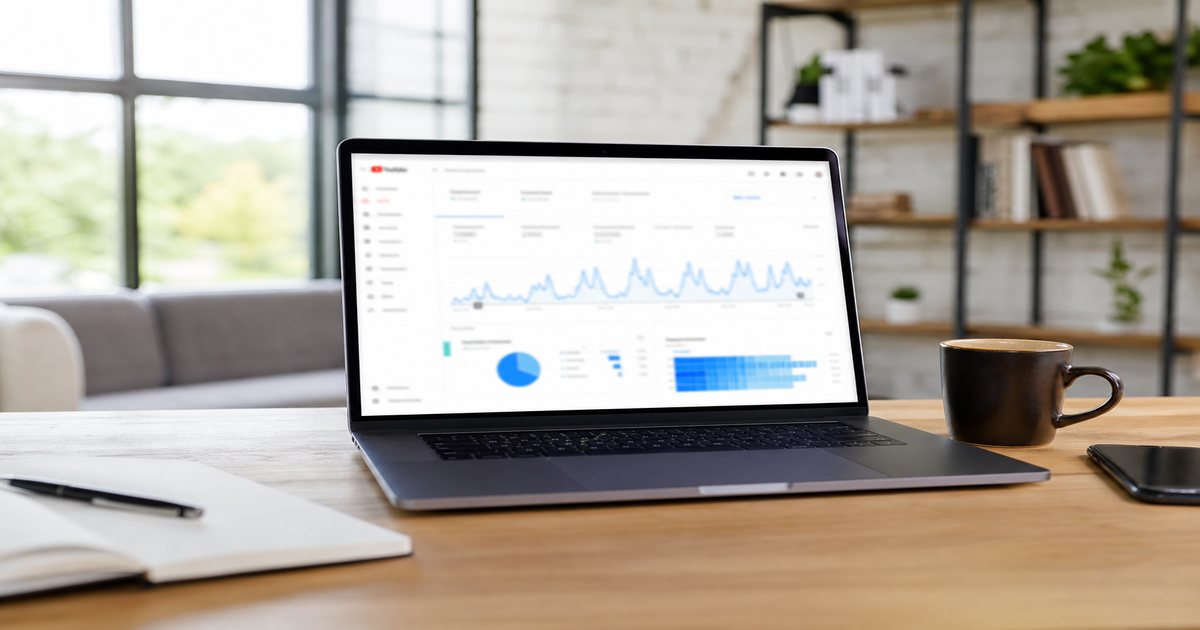
Export analytics: CTR, AVD, traffic sources. Fix top 10 videos with high impressions and low CTR first. Swap intro music on underperformers if pacing feels flat. Document changes in a changelog.
Checklist
Update end screens quarterly, refresh pinned comments, and prune misleading metadata on old uploads.
Connecting content to discoverability
Structured data supports clarity, but words on the page do the real work. Write for the creator who landed here from Google at 11 p.m. before a deadline.
Content marketers often skip monthly seo audit until a claim or muted VOD forces a fix; handling it proactively takes less time than a reshoot.
Pick one track today and use it in your next project with the levels and workflow above. Improvement comes from repetition, not hoarding options.
Key takeaways
- Treat youtube seo 2026 audio as part of retention, not decoration.
- Prefer a small cleared playlist over random trending sounds.
- Keep voice primary; music should support emotion without masking speech.
- Follow FreeBeatHub license terms and keep a download record.
- Revisit levels after you add captions or loud effects.
| Factor | Weight | Tactic | Tool |
|---|---|---|---|
| CTR | High | Title + thumb match | YouTube A/B test |
| AVD | High | Hooks + pacing | Retention graph |
| Session time | Medium | End screens + playlists | Studio analytics |
| Metadata | Medium | Chapters + tags | Description template |
Ready to find your soundtrack? Browse 600+ royalty-free tracks on FreeBeatHub.
Browse Free MusicAdvertisement
Frequently Asked Questions
Does background music affect YouTube SEO?
Indirectly yes. Music that improves retention and watch time strengthens satisfaction signals YouTube uses for ranking and suggestions
Should I use the same keywords in title and tags?
Include your primary topic in the title and support it with related variants in tags and chapters—avoid repeating the exact phrase dozens of times
Are YouTube tags still important in 2026?
Tags matter less than they used to but still help disambiguation—especially for tool names, product models, and niche jargon
Can copyright claims hurt video SEO?
Claims can limit monetization and sometimes distribution. Royalty-free licensed music reduces that risk for growth-focused channels