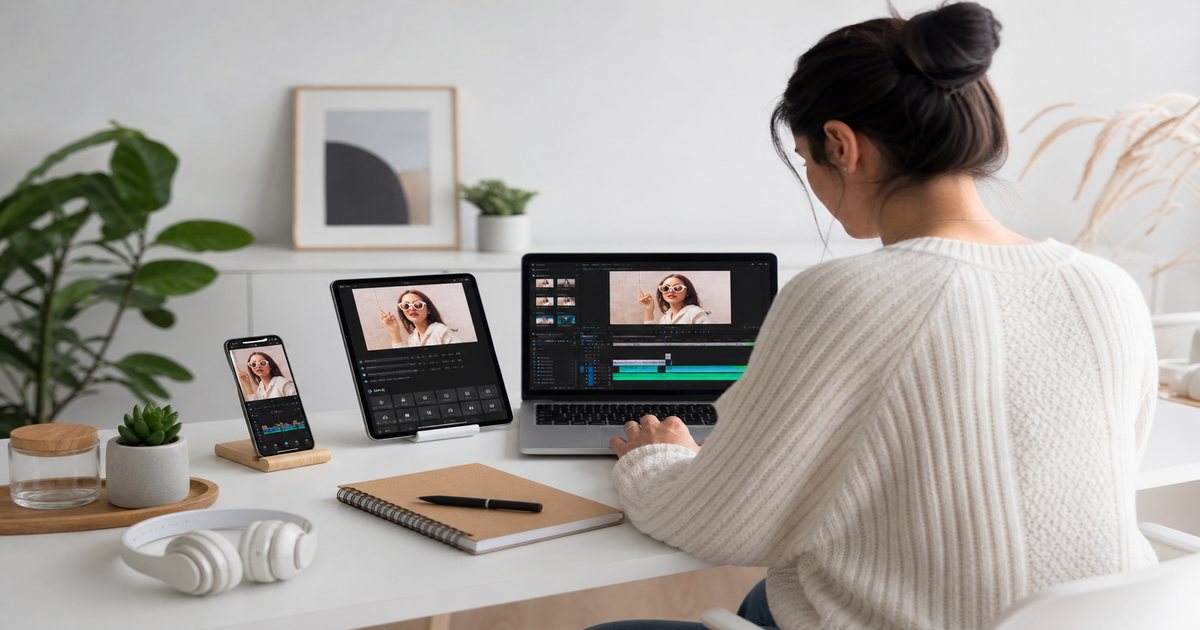
Most content calendars track titles and shoot dates—but not audio. That is why batch weeks collapse into export-night music panic. Planning beds from FreeBeatHub alongside topics keeps filming, editing, and licensing on one timeline.
Add an Audio Column to Your Calendar
Extend your calendar with columns: mood tag, BPM target, license status, and platform cuts. One row should answer what music this piece needs before anyone picks up a camera.
- Mood tag (hype, warm, corporate, cinematic)
- BPM range for beat-synced edits
- License ID or pending status
- Platform variants (16:9, 9:16, carousel)
Test with a friend who has not seen the project. If they lean in to hear dialogue, the bed is still too loud.
Compare two versions of add an audio column to your calendar in an unlisted test if stakes are high; small audio tests prevent expensive public mistakes.
Mapping Topics to Mood Tags
Tutorial topics lean corporate or clean electronic. Lifestyle vlogs lean acoustic or indie. Product launches lean punchy pop. Map recurring series to default moods so decisions become automatic.

Putting mapping topics to mood tags into practice
When mapping topics to mood tags clicks with your audience, save the track name and settings—you will reuse them faster than searching from scratch.
Batch Licensing With Production
License music the same day you finalize the calendar—not export day. Batch downloads into weekly folders named by shoot date. Align with batch production rhythms.
Documentation that saves channels
Royalty-free does not mean "free from all rules." Read attribution requirements once on our license page and reuse the same library to reduce surprises.
When in doubt, write a one-sentence rights summary in your project file: source, license type, date, and permitted platforms.
When batch licensing with production clicks with your audience, save the track name and settings—you will reuse them faster than searching from scratch.
Shoot-Day Audio Briefs
Share a one-line audio brief on shoot call sheets: intended bed, energy level, and whether on-camera pacing should match BPM. Presenters sync delivery when they know the score in advance.
Film to the mood you already licensed—not the mood you hope to find later.
Fade beds 2–3 seconds before key statements. Hard dips feel cinematic; instant mutes feel like editing mistakes.

Compare two versions of shoot-day audio briefs in an unlisted test if stakes are high; small audio tests prevent expensive public mistakes.
Edit Handoff Notes for Music
Editors need track files, BPM, hook timestamps, and ducking notes—not just mood adjectives. Link cleared files in the calendar row or project management ticket.
- Attach cleared audio file to calendar row
- Note BPM and first downbeat timestamp
- Flag sections needing ducking or silence
- List platform-specific cut requirements
Putting edit handoff notes for music into practice
Creators who treat content calendar music as a system—not a one-off inspiration—publish faster with fewer rights headaches.

Explore cleared tracks for edit handoff notes for music on Browse Music, or read related content creation tips on our blog.
Weekly Calendar Review Ritual
Every Monday, review upcoming rows for missing license status or mood gaps. Swap topics if a bed is unavailable rather than forcing mismatched audio at edit. Cross-link SEO targets from blog planning when topics align.
Putting weekly calendar review ritual into practice
If you are stuck between two options, choose the track that disappears under voice. Invisible beds rarely lose viewers; flashy ones often do.
Compare two versions of weekly calendar review ritual in an unlisted test if stakes are high; small audio tests prevent expensive public mistakes.
Pick one track today and use it in your next project with the levels and workflow above. Improvement comes from repetition, not hoarding options.
Explore related posts on the FreeBeatHub blog and build a small playlist of cleared favorites on Browse Music.
Consistency matters more than chasing perfect tracks. Publish with cleared audio, measure results, and refine one variable next time.
Key takeaways
- Treat content calendar music audio as part of retention, not decoration.
- Prefer a small cleared playlist over random trending sounds.
- Keep voice primary; music should support emotion without masking speech.
- Follow FreeBeatHub license terms and keep a download record.
- Revisit levels after you add captions or loud effects.
| Calendar Field | Example Value | Owner | When Set |
|---|---|---|---|
| Mood tag | Warm / Acoustic | Creator | Topic planning |
| BPM target | 95–105 | Editor | Pre-shoot |
| License ID | FBH-2041 | Ops | Batch license day |
| Platform cuts | Short + long | Editor | Post-shoot |
Ready to find your soundtrack? Browse 600+ royalty-free tracks on FreeBeatHub.
Browse Free MusicAdvertisement
Frequently Asked Questions
When should music be chosen in the workflow?
Ideally during topic planning—before shoot. Pre-selected beds inform pacing, B-roll energy, and on-camera delivery.
How many tracks should I pre-license per month?
License 8–12 beds monthly for active creators—enough variety with overlap for series cohesion.
Can one calendar row drive multiple platforms?
Yes. Note platform-specific edits (Shorts vs long-form) but pick one master bed per content idea.
What if a trend changes my calendar?
Keep a flex row with three cleared hype beds for trend response without derailing the batch.