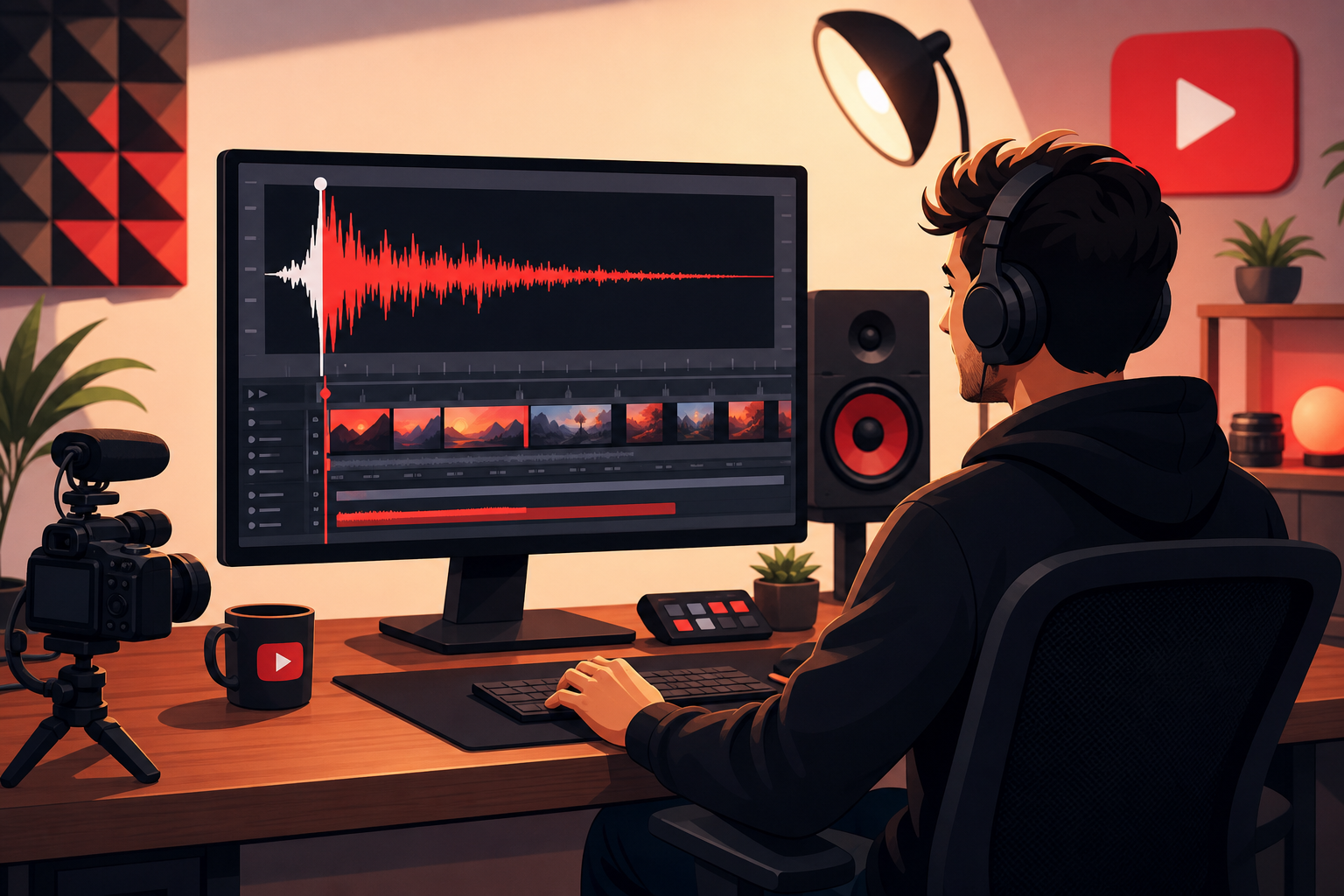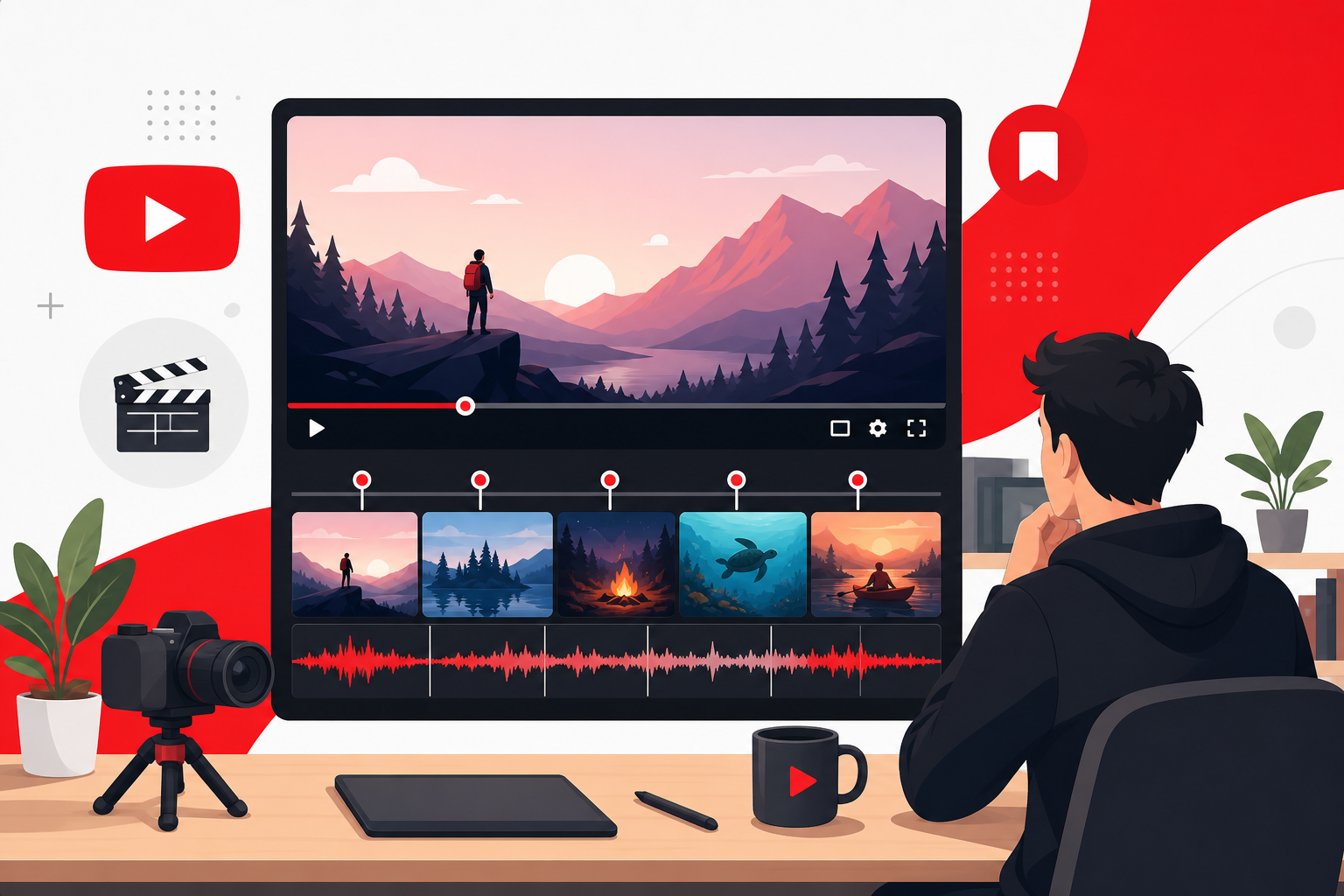
YouTube chapters help viewers jump to the section they need—but audio often stays flat across 20-minute lessons. Strategic royalty-free stings and beds from FreeBeatHub mark transitions, reduce mid-video exits, and make long-form content feel intentionally produced.
Why Chapters Need Audio Cues
Retention graphs show micro-dips at topic shifts. Viewers wonder if the video changed direction or if they should leave. A brief musical cue confirms: new chapter, same quality, keep watching.
- Re-orients listeners who scrub via progress bar
- Signals topic shifts without verbal filler
- Supports binge sessions across multi-part tutorials
- Aligns sonic brand with chapter structure
Scoring Each Chapter Segment
Group chapters into 2–3 clusters with shared beds. Intro chapter: same energy as video open. Deep-dive chapters: lower-energy lofi or corporate. Summary chapter: slightly brighter resolve toward outro.
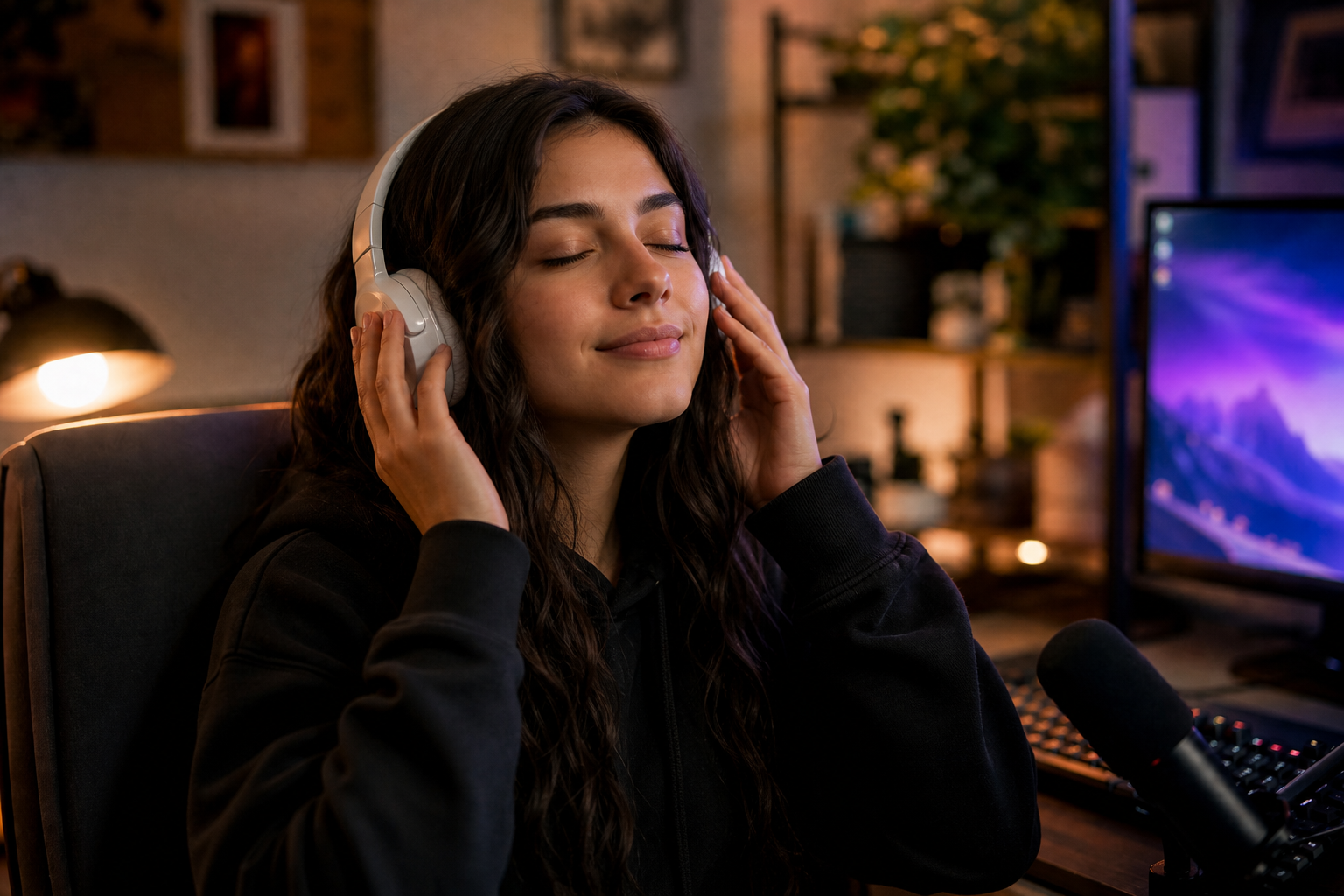
Putting scoring each chapter segment into practice
Where to Place Chapter Stings
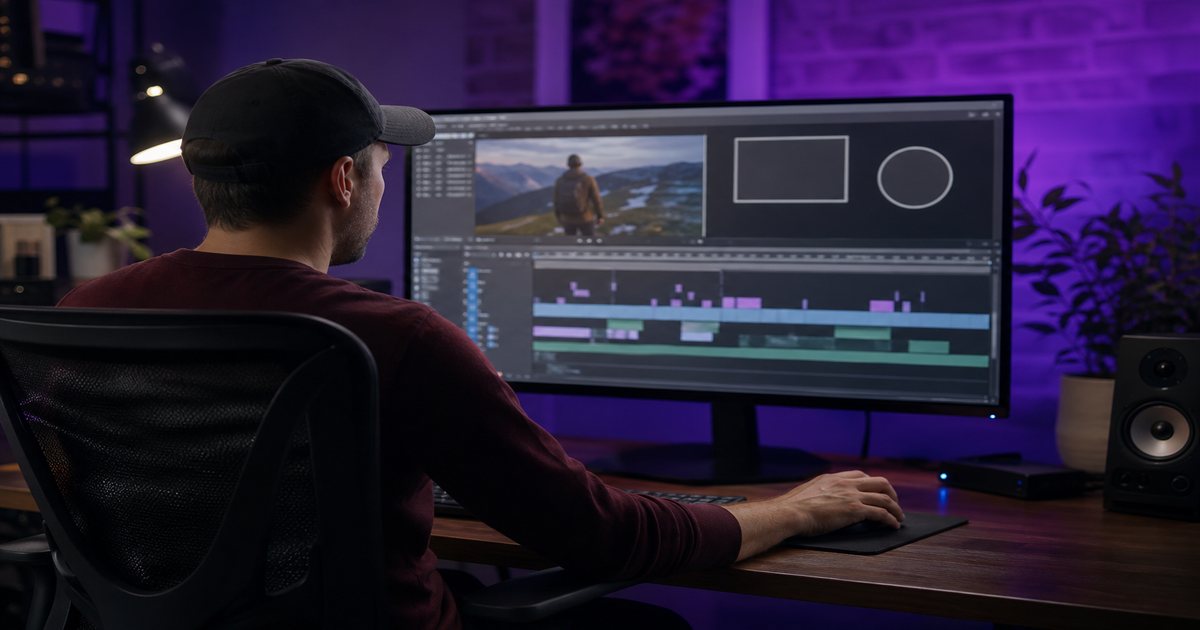
Place 2–4 second stings 0.5 seconds before chapter markers in your edit timeline. Sync to downbeats when using rhythmic beds. Avoid stings during active demonstrations—wait for natural pauses.
Putting where to place chapter stings into practice
If you are stuck between two options, choose the track that disappears under voice. Invisible beds rarely lose viewers; flashy ones often do.

Bed Continuity Across Chapters
One bed can span 3–5 chapters if topics connect. Crossfade to a new bed only when energy or mood genuinely shifts. Browse lofi for tutorial clusters and cinematic for story-driven segments.
Chapters are navigation for the eyes—music is navigation for the ears.
How to shortlist tracks quickly
Build a "maybe" folder of five tracks and eliminate three on phone speakers. Mobile playback exposes harsh highs and muddy lows that studio headphones hide.
Browse cleared options on FreeBeatHub by genre tags—lofi, ambient, and corporate cover most YouTube creators use cases.
Mixing Music at Chapter Boundaries
Fade out previous bed over 1–2 seconds, sting hits, new bed fades in under voice within 1 second. Never leave silence gaps longer than 0.5 seconds—mobile viewers interpret silence as ending.

Chapter Music Workflow
- Outline chapters in script before filming
- Assign bed clusters in spreadsheet
- Drop markers in NLE at chapter timestamps
- Add stings aligned to markers
- Export, verify chapter markers match audio in YouTube Studio
Schedule a quarterly audit: remove tracks with unclear rights and refresh beds that feel dated.

Chapter Music Mistakes
- 30-second musical breaks between chapters
- Random stock hits with no brand connection
- New track every 2 minutes—listener whiplash
- Stings louder than voiceover
- Chapter markers misaligned with audio cues
The hidden cost of "good enough" audio
Most mistakes below feel minor in the edit bay and expensive in analytics. A viewer who mutes once rarely comes back to unmute.
Pick one track today and use it in your next project with the levels and workflow above. Improvement comes from repetition, not hoarding options.
The creators who win long-term treat music as part of their brand system—not a last-minute search before export.
Key takeaways
- Treat youtube chapters music audio as part of retention, not decoration.
- Prefer a small cleared playlist over random trending sounds.
- Keep voice primary; music should support emotion without masking speech.
- Follow FreeBeatHub license terms and keep a download record.
- Revisit levels after you add captions or loud effects.
| Chapter Type | Music Approach | Sting Length | Energy |
|---|---|---|---|
| Intro / hook | Intro motif variant | 3–4s | Mid-high |
| Teaching block | Continuous lofi bed | None | Low-mid |
| Case study | Brighter bed | 2s transition | Mid |
| Summary / CTA | Resolved outro tail | 3–5s | Mid-low |
Ready to find your soundtrack? Browse 600+ royalty-free tracks on FreeBeatHub.
Browse Free MusicAdvertisement
Frequently Asked Questions
Should every YouTube chapter have different music?
Not necessarily. Use subtle stings at major shifts and one consistent bed per topic cluster. Too many track changes feel chaotic.
Do chapter stings hurt retention?
Short 2–4 second stings at logical breaks help viewers re-orient. Long musical interludes mid-lesson cause drop-off.
Can I use the same music as my intro for chapters?
Use shorter variants of your intro motif—same sonic family, lower energy, 50% shorter length.
Do chapters affect SEO?
Chapter titles help search snippets. Audio cues reinforce those boundaries for listeners scrubbing on mobile.